BJJ glossary
The words you hear in a BJJ class, A to Z. Blue terms have a full page in the library.
A
- Academia
- Portuguese for a gym or school where you train BJJ.
- Advantage
- Under IBJJF rules, a mark for almost scoring. Advantages do not add to the score. If points are equal, more advantages wins.
- Americana (also: Ude garami)
- A shoulder lock with a figure-four grip. The arm is bent, the wrist is pinned to the mat, and the hand points toward their head.
- Anaconda Choke
- An arm-in choke where your arm goes under the neck first, then up through the far armpit. You often finish it with a roll.
- Ankle Pick
- A takedown where you pull the other person's head down and grab their ankle.
- Arm Drag
- You pull the other person's arm across your body to get to their side or back.
- Arm Triangle (also: Head and arm choke, Kata gatame)
- A choke where the other person's own arm is pushed across their neck and your arms lock around both.
- Armbar (also: Juji gatame)
- A joint lock that straightens the elbow against your hips. Tap early, because the elbow is hurt fast.







B
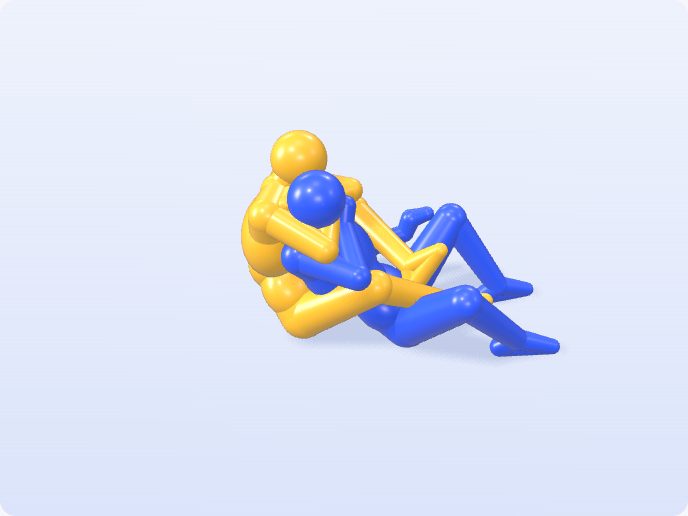
- Back Control (also: Back mount)
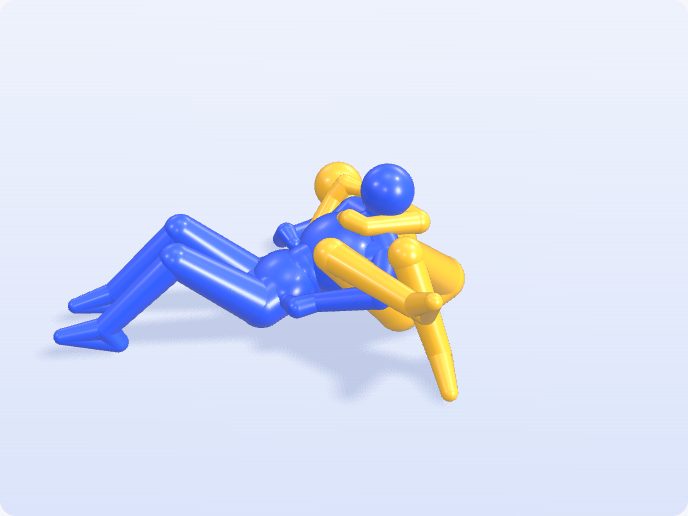
- You are behind the other person with your chest on their back and your hooks in. It is the top of the positional hierarchy.
- Back Escape
- Getting out of back control. You fight the hands, put your shoulders on the mat on their under-arm side, and turn out.
- Back Step Pass
- A half guard pass. They have the underhook, so you step your free leg back over their body. You sit through to the other side.
- Back Take from Turtle
- Getting to back control when the other person is in turtle. You put in a seatbelt grip and your hooks.
- Base
- Your balance: how hard you are to push over or sweep. A wide, low body has good base.
- Baseball Bat Choke
- A gi choke where both hands hold the collar like a baseball bat, then you turn your body to finish.
- Belt System and Stripes (also: Faixa)
- Adult belts go white, blue, purple, brown and black. Stripes on the belt mark smaller steps.
- Berimbolo
- An advanced back take from De la Riva guard. You roll under the other person to get behind them.
- Body Lock Pass
- A pass where you lock your arms around the other person's waist and walk past their legs.
- Body Lock Takedown
- A takedown where you lock your arms around the other person's body and trip or lift them.
- Body Triangle
- In back control, one leg goes across the other person's belly and your foot locks behind your other knee. It holds their hips.
- Bottom Player (also: Guard player)
- The person on the bottom. In guard, they want to sweep or submit.
- Bow and Arrow Choke
- A gi choke from the back. One hand holds the collar and the other holds the leg or trousers, and you stretch them like a bow.
- Breakfall (also: Ukemi)
- A safe way to fall. You slap the mat with your arm, tuck your chin and keep your head off the mat.
- Bridge
- From your back, you push your hips up high off the mat. It is part of many escapes.
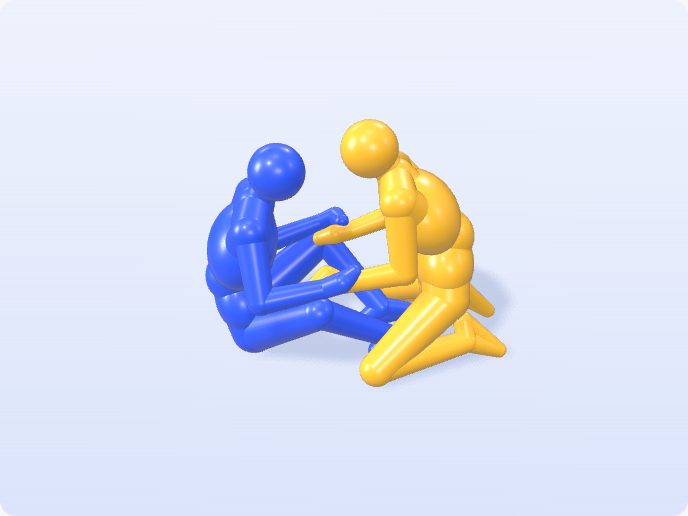
- Butterfly Guard
- A seated guard with your feet hooked inside the other person's thighs. The hooks lift them for sweeps.
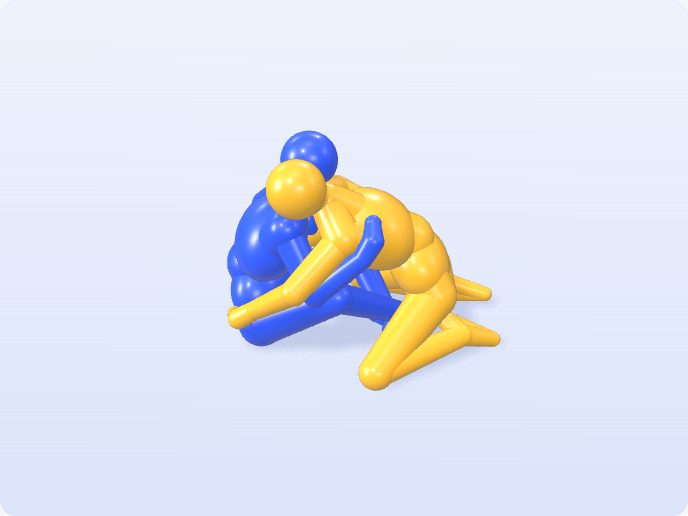
- Butterfly Sweep
- A sweep from butterfly guard. You lift one leg with your hook, and they fall toward the arm you control.












C
- Calça
- Portuguese for trousers. Grips on the trousers help control the legs.
- Cem quilos (also: Side control)
- Portuguese for one hundred kilos. It is a Brazilian name for side control, because it feels heavy.
- Choke (also: Strangle)
- A submission that squeezes the neck. A blood choke squeezes the sides of the neck and works fast.
- Chokes and Joint Locks
- The two kinds of submission. A choke squeezes the neck; a joint lock bends a joint too far.
- Clinch
- Standing chest to chest with grips on the upper body. Many takedowns start from the clinch.
- Clock Choke
- A gi choke on someone in turtle. You hold their collar and walk your body around their head like a clock hand.
- Closed Guard (also: Full guard)
- A guard where you are on your back with your ankles locked behind the other person's back. You control their hips and posture.
- Closed Guard Break
- How you open the other person's locked ankles when you are inside their closed guard. Posture comes first.
- Collar Drag
- A takedown where you pull the other person's head down by the collar and step behind them.
- Collar Tie
- A standing grip with your hand behind the other person's neck. It controls their head and posture.
- Collar-and-Sleeve Guard
- A gi guard where one hand holds the collar and the other holds a sleeve. Your feet push on their hip and biceps.
- Combat Base
- A posture inside the guard with one knee down and the other foot up. You use it to start a guard pass.
- Connection
- Your feet or grips touch the other person and control them. In open guard, losing connection means the pass has started.
- Costas (also: Back)
- Portuguese for back. Taking the costas means getting to back control.
- Cross Collar Choke (also: Cross choke, Juji jime)
- A gi choke where both of your hands go deep into the other person's collar, crossed. It comes from mount and closed guard.
- Crossface
- Your forearm or shoulder drives across the other person's jaw to turn their head away. It stops them from turning toward you.
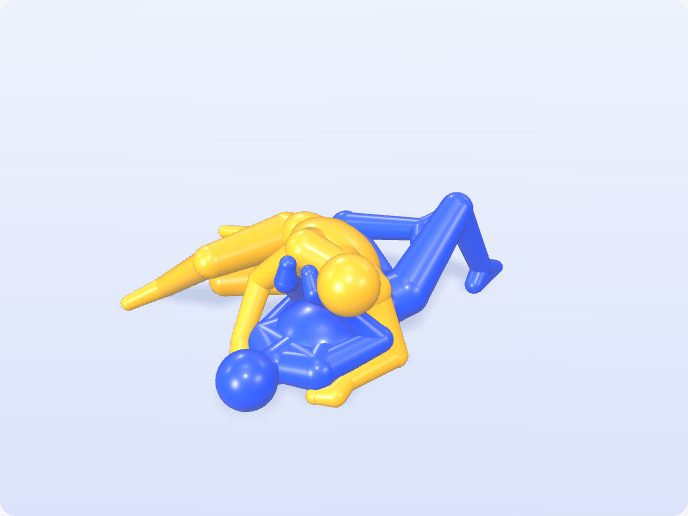
- Crucifix
- A control where you trap both of the other person's arms, one with your legs and one with your arms. It often comes from turtle.











D
- D'Arce Choke (also: Brabo choke)
- An arm-in choke where your arm goes under the near armpit first, then across the neck. It often comes from the front headlock.
- De la Riva Guard (also: DLR)
- An open guard where your outside leg hooks the other person's lead leg from the outside. You use it against a standing opponent.
- Deep Half Guard
- A half guard where you go far underneath the other person and hug their leg. Their weight is on you, but it has nowhere to press.
- Dogfight
- A half guard position where you come up on your knee with an underhook. Both people fight to come on top.
- Double Leg Takedown (also: Double leg)
- A takedown where you change levels, hold both legs behind the knees, and drive through.
- Double Under Pass (also: Stack pass)
- A pass where both of your arms go under the other person's legs and you stack them on their shoulders.
- Double-Ankle Sweep
- A sweep when the other person stands up in your closed guard. You hold both ankles and drive your hips into their thighs.
- Drill (also: Drilling)
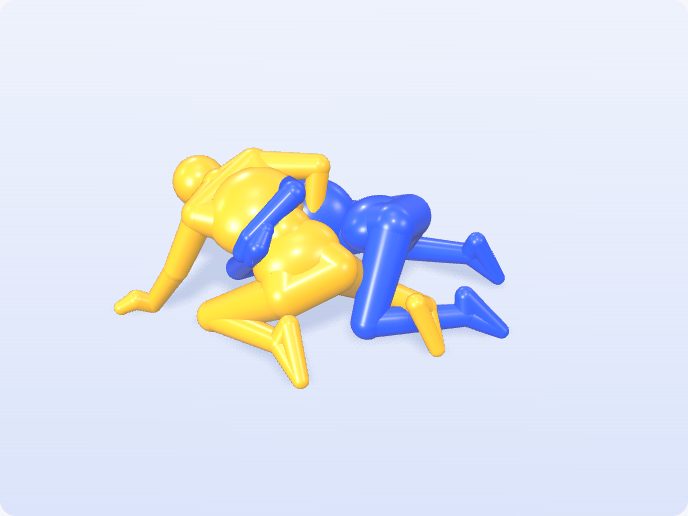
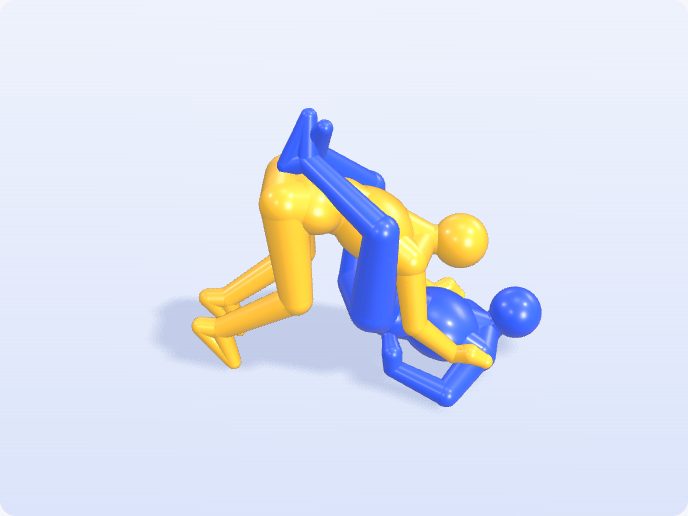
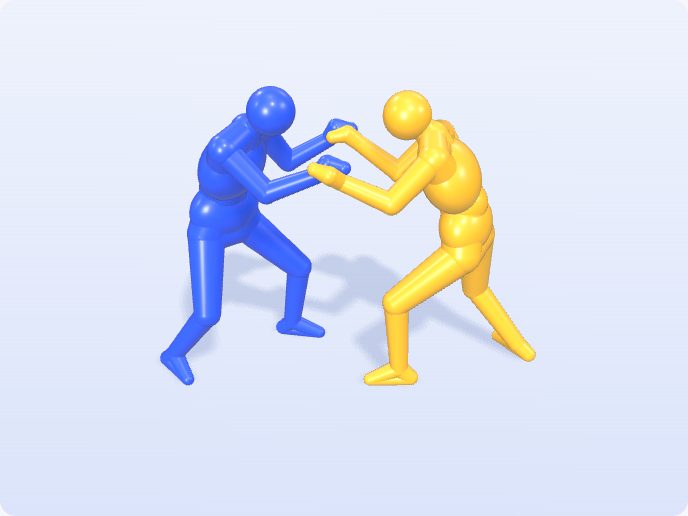
- Repeating a move many times with a partner who does not resist. It builds the move into your body.







E
- Elbow Escape (also: Knee-elbow escape)
- A mount escape where you move your hips out and slide your knee in to get your guard back.
- Escape
- Getting out of a bad position or a submission. The best escapes start early.
- Escape to the Knees
- A side control escape where you get an underhook and turn onto your knees, driving into the other person.
- Escapes, Sweeps, Passes, Takedowns and Submissions
- The main kinds of technique in BJJ: escapes, sweeps, reversals, passes, takedowns and submissions.
- Ezekiel Choke (also: Sode guruma jime)
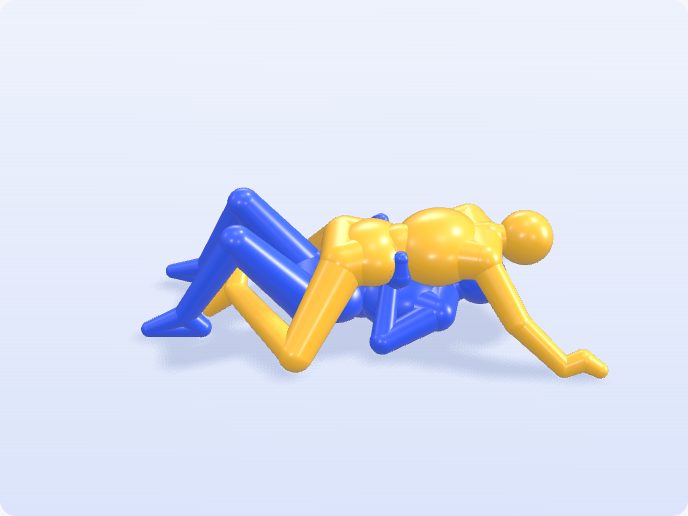
- A gi choke where one arm goes behind the neck and that hand holds your other sleeve. Your other forearm presses across the neck.




F
- Faixa (also: Belt)
- Portuguese for belt. It shows your rank and also closes your gi jacket.
- Figure-Four Grip
- One hand holds their wrist. Your other arm goes under their arm and holds your own wrist. The kimura and americana use this grip.
- Finalização (also: Submission)
- Portuguese for submission. A choke or joint lock that makes the other person tap.
- Flow Rolling
- A slow, light roll where both people move and let techniques happen. Nobody fights hard.
- Flower Sweep (also: Pendulum sweep)
- A closed guard sweep. You hold an arm and a leg, then swing your leg like a pendulum to turn them over.
- Forward and Backward Rolls
- Rolling over your shoulder, not your head, forward or backward. They are common warm-up drills.
- Frames
- Bent arms or legs that hold the other person away, like a solid bar. Frames make space without pushing with straight arms.
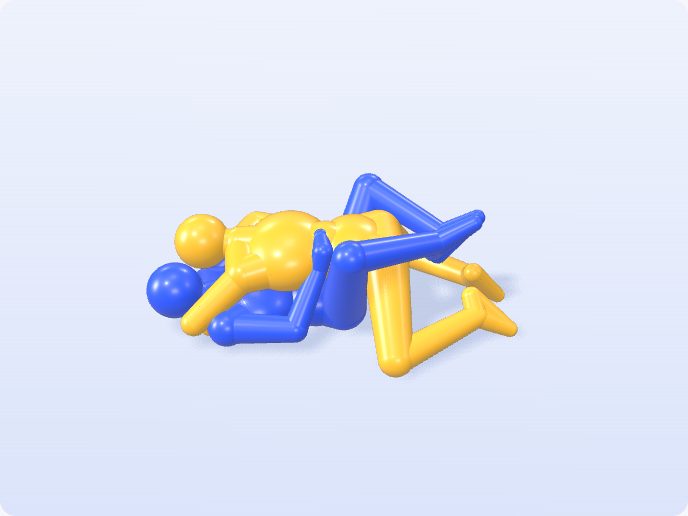
- Front Headlock
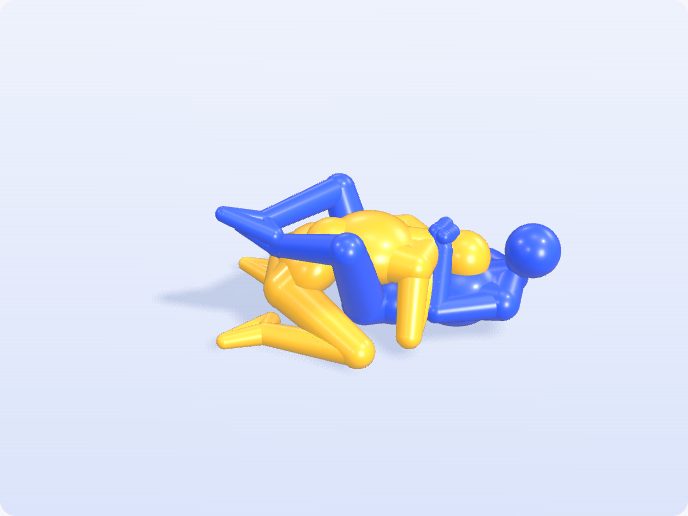
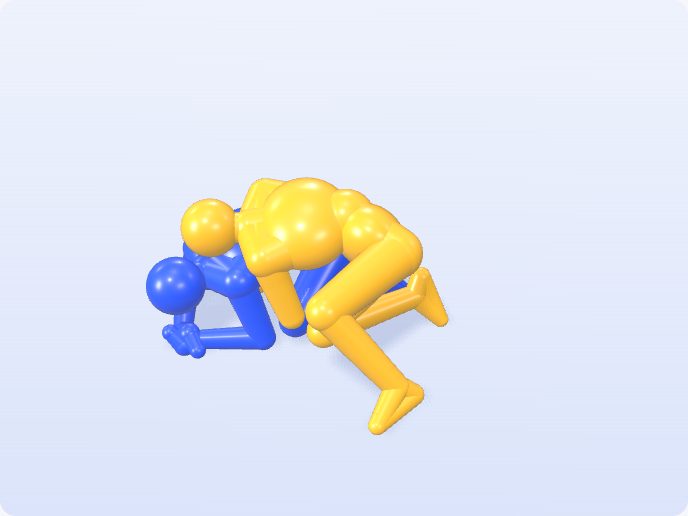
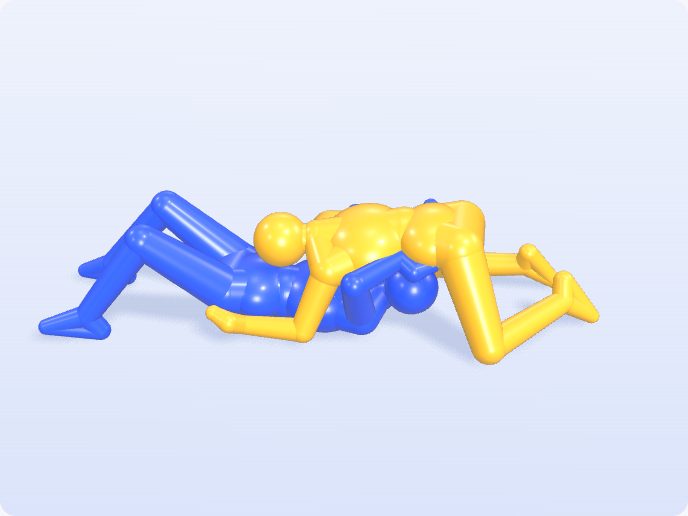
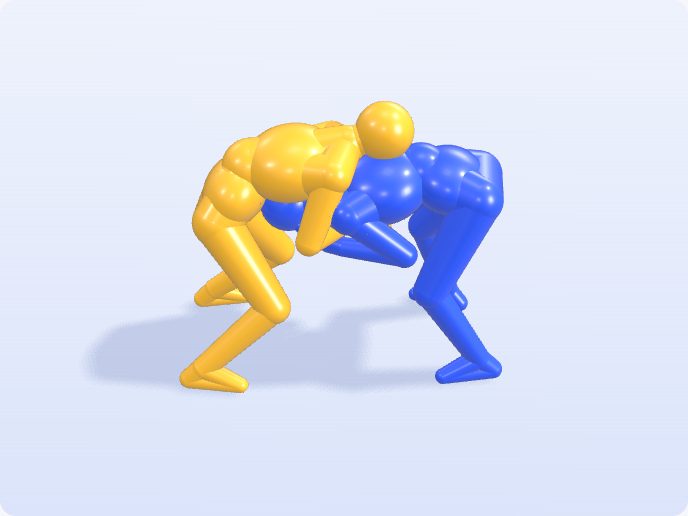
- You are in front of the other person and control their head and one arm. It often happens when they are on their knees.





G
- Gi (also: Kimono)
- The jacket, trousers and belt you wear for gi training. Its collar and sleeves are used for grips.
- Gi vs No-Gi
- Gi training uses the jacket and trousers for grips. No-gi uses shorts and a rash guard, with no cloth grips.
- Gola
- Portuguese for collar, the edge of the gi jacket around the neck. Many chokes and grips use it.
- Granby Roll
- A shoulder roll from turtle or your back that turns your hips to face the other person again. It is used to keep your guard.
- Grip Breaking
- Taking away the other person's grip before it controls you. Break grips early and with two hands if you can.
- Grips (also: Pegada)
- The ways you hold the other person or their gi. Good grips control them; bad grips tire your hands.
- Guard (also: Guarda)
- Any position where you are on the bottom with your legs between you and the other person.
- Guard Passing
- Getting past the bottom player's legs to a top position. A guard pass scores 3 points under IBJJF rules.
- Guard Retention and Recovery (also: Guard retention, Guard recovery)
- Keeping your guard when someone tries to pass, and getting it back after they pass.
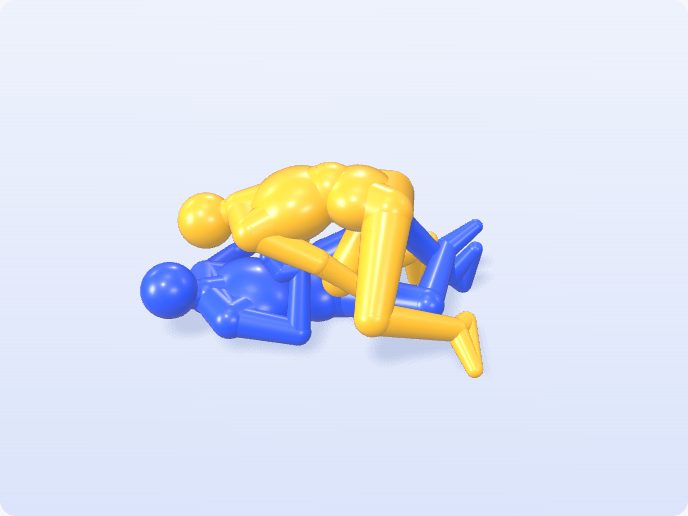
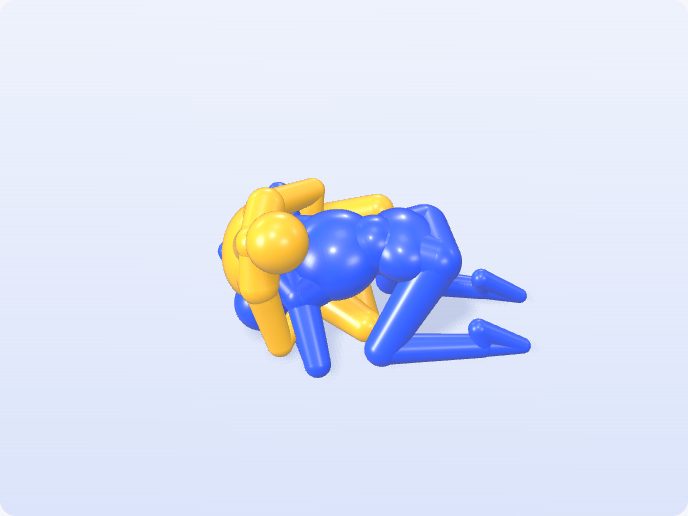
- Guillotine
- A choke from the front with your arm around the neck. It often comes when the other person's head is low.
- Guillotine Defense
- How you escape a guillotine: fight the hands, keep your posture, and move toward the side of their choking arm.









H
- Hadaka Jime (also: Rear naked choke)
- The judo name for the rear naked choke. Hadaka means naked, because the choke uses no gi grips.
- Half Guard (also: Meia guarda)
- A guard where you trap one of the other person's legs between your legs. It works best on your side, not flat on your back.
- Hand Fighting
- Using your hands to stop the other person's grips or to win your own. It is the first defence against chokes.
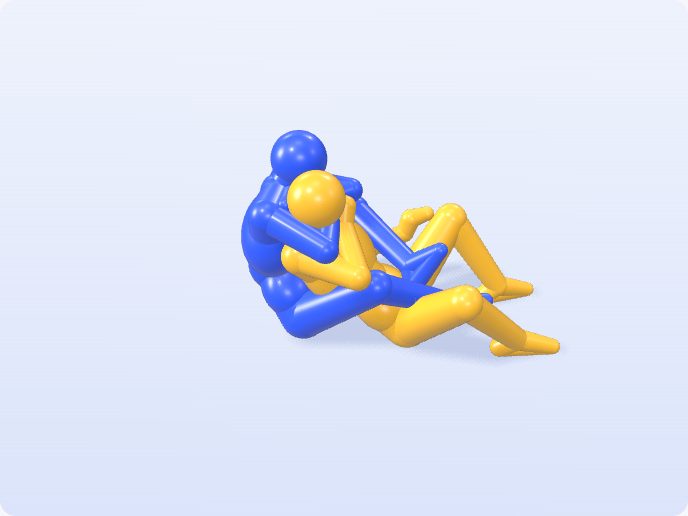
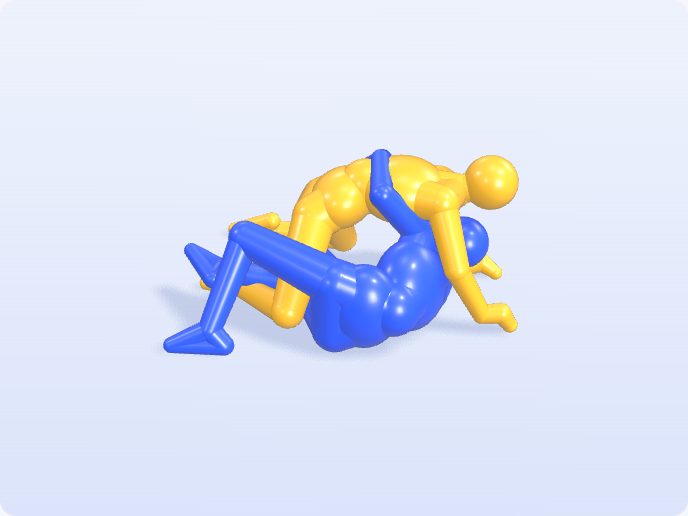
- Headlock Escape
- Getting out of a headlock on the ground, usually kesa gatame. Free your trapped arm first, then bridge or move your hips.
- Heel Hook
- A leg lock that twists the knee. Under IBJJF rules it is legal only for adult brown and black belts in no-gi. It is not taught here.
- High Mount
- Mount with your knees high, close to the other person's armpits. Their arms are easy to attack and hard to use for escapes.
- Hip Bump Sweep
- A closed guard sweep. You sit up, post one hand, and drive your hips into the other person to knock them over.
- Hip Throw (also: O goshi)
- A judo throw. You turn your hips in front of the other person and lift them over your hip.
- Hitchhiker Escape
- An armbar escape where you turn your thumb up and rotate toward the trapped arm. It works only before the arm is straight.
- Hooks
- Your feet or legs hook a part of the other person's body. In back control, your heels are inside their thighs.
- How a Class Works
- Most classes have a warm-up, a technique, drilling, and then sparring. Each gym does it a little differently.
- Hygiene and Skin Infections
- Keeping clean so skin problems do not spread. Shower after class, wash your gear, and stay off the mat with any skin rash.











I
- Illegal Moves by Belt
- The list of moves you may not use at each belt under IBJJF rules. More moves become legal at higher belts.
- Inside Position
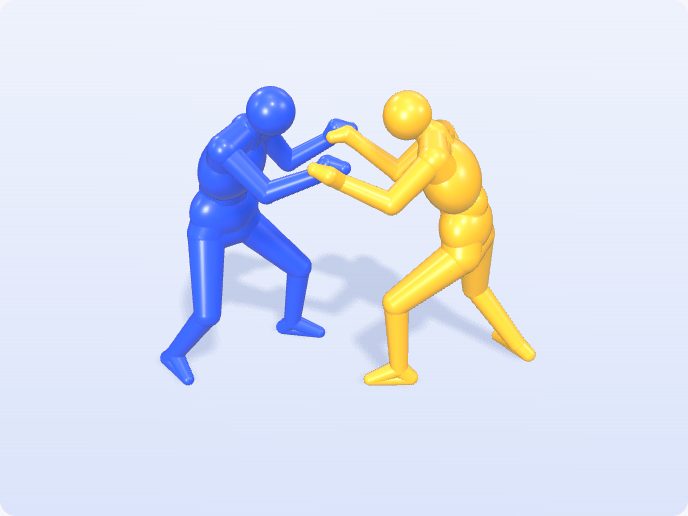
- Getting your arms or knees inside the other person's arms or legs. Pummeling is the fight to get inside.
- Isolate
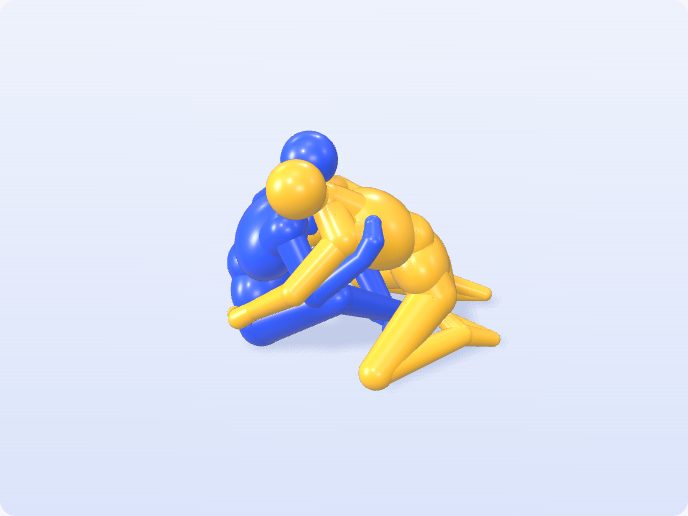
- To separate one arm or leg from the rest of the body so you can attack it.


J
- Jiu-Jitsu (also: BJJ, Brazilian Jiu-Jitsu)
- A grappling art where you control the other person on the ground. You win with positions and submissions, not strikes.
- Joint Lock
- A submission that bends a joint like the elbow, shoulder or ankle past its normal range. Tap early, before it hurts.
- Juji Gatame (also: Armbar)
- The judo name for the armbar. It straightens the elbow across your hips.
- Jumping Guard
- Jumping onto a standing person to lock closed guard. Under IBJJF rules it is illegal at white belt. Sit down to guard instead.
K
- Kesa Gatame (also: Scarf hold)
- A judo pin where you sit beside the other person, hip to hip, with their head and one arm trapped. It is heavy and hard to bridge out of.
- Kimono (also: Gi)
- The training uniform: a thick jacket, trousers and a belt. In BJJ most people say gi.
- Kimura (also: Gyaku ude garami)
- A shoulder lock that turns the arm behind the back with a figure-four grip. It works from many positions.
- Knee Cut Pass (also: Knee slide, Knee cut)
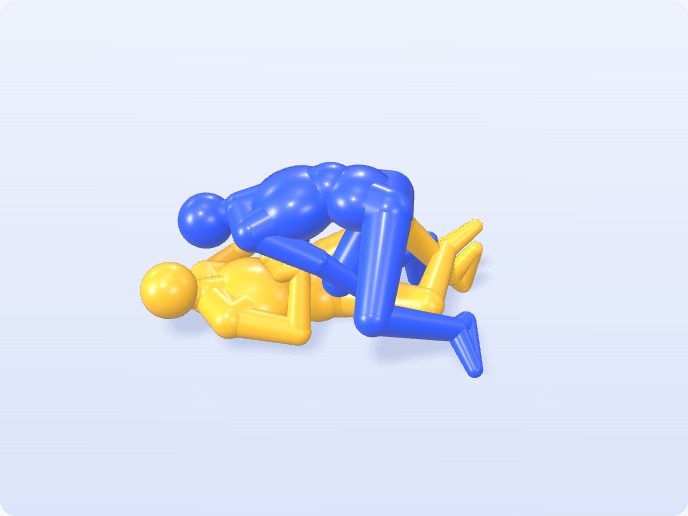
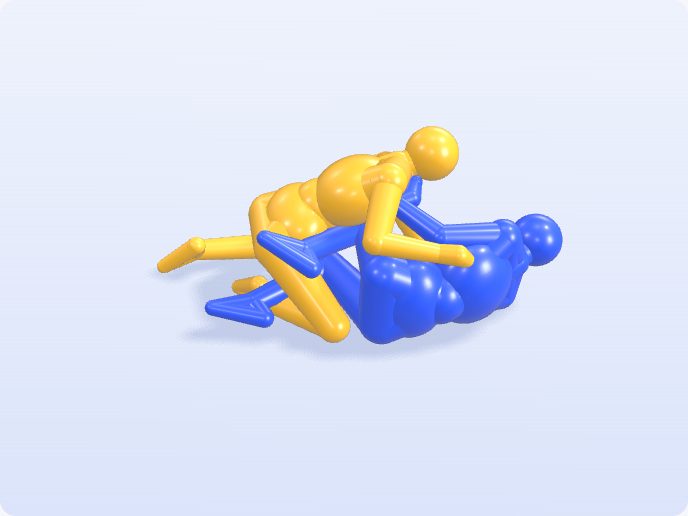
- A pressure pass where your knee slides across the other person's thigh to the mat. You end in side control.
- Knee on Belly (also: Knee on stomach, Joelho na barriga)
- A top position where one knee presses on the other person's belly and your other foot is on the mat. It scores 2 points under IBJJF rules.
- Knee Shield (also: Z guard)
- A half guard where your shin lies across the other person's body as a frame. It keeps their weight off you.
- Kneebar
- A leg lock that straightens the knee. Under IBJJF rules it is legal only at brown and black belt.
- Kuzushi
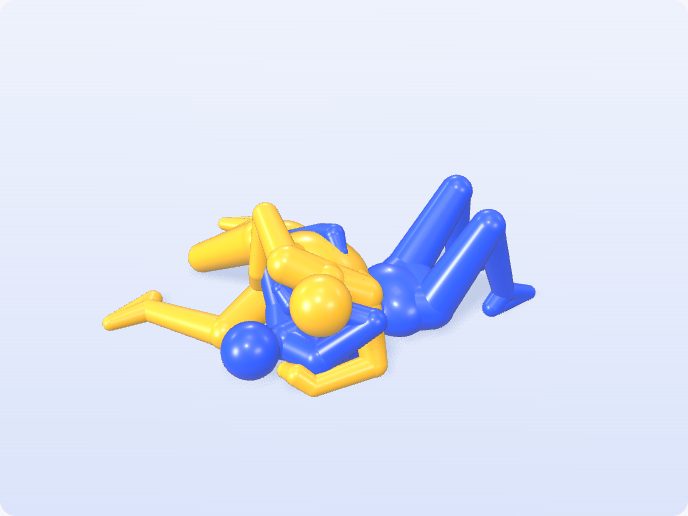
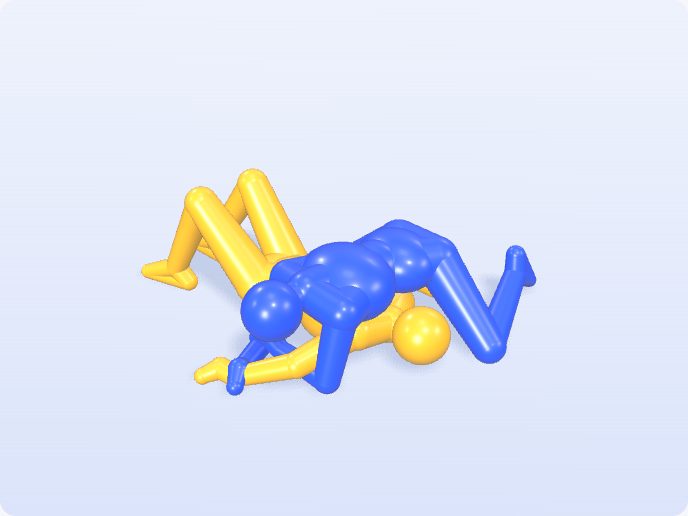
- The Japanese word for breaking the other person's balance. It comes before a throw or a sweep.





L
- Lapel
- The front edges of the gi jacket. Many gi chokes and guards use the lapel.
- Leg Drag
- A pass where you pull the other person's legs across your body and pin them to the side.
- Leg Lock Safety
- Leg locks can hurt the knee or ankle before you feel real pain. Tap early, and use only the leg locks legal at your belt.
- Legal at White Belt
- The moves a white belt may use under IBJJF rules. It includes the common chokes, the armbar, kimura, americana and straight ankle lock.
- Level Change
- Bending your knees to drop your hips before a takedown. You lower your body, not just your head.
- Lockdown
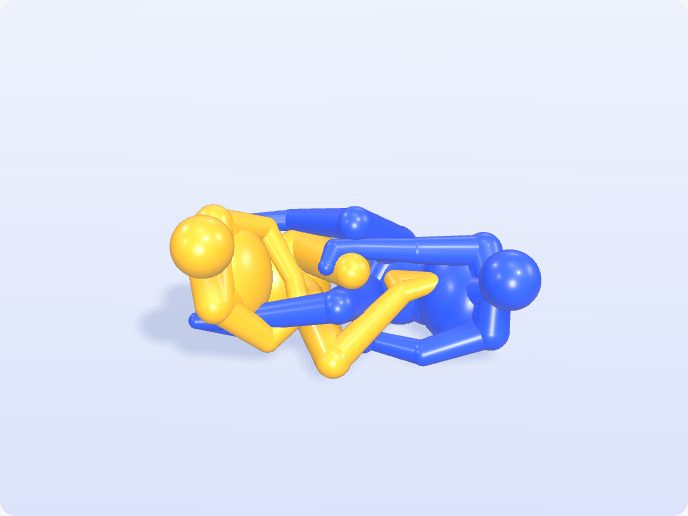
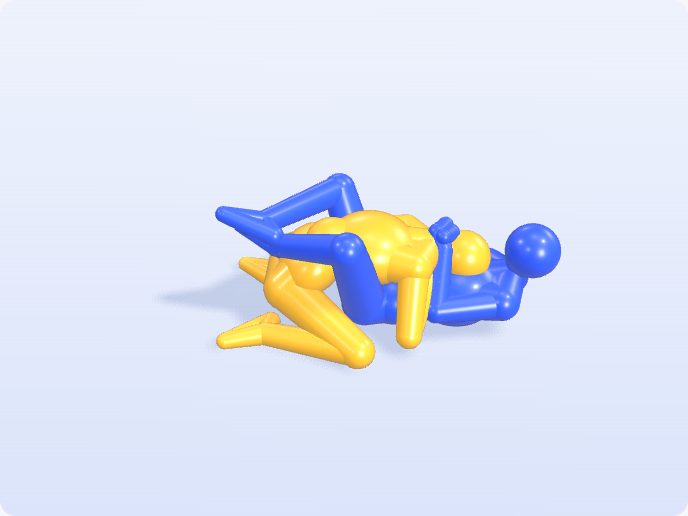
- A half guard where your legs wrap and stretch the other person's trapped leg. It stops them from passing.
- Loop Choke
- A gi choke with one deep collar grip. Their head drops under your forearm, and the collar closes around the neck like a loop.





M
- Manga
- Portuguese for sleeve. A sleeve grip controls the other person's arm.
- Mat Rules (also: Mat etiquette)
- The habits that keep everyone safe. Clean clothes, short nails, no shoes on the mat, tap early and let go fast.
- Mata leão (also: Rear naked choke)
- Portuguese for lion killer. It is the Brazilian name for the rear naked choke.
- Mestre
- Portuguese for master. It is a title of respect for a very senior black belt.
- Montada (also: Mount)
- Portuguese for mount. You sit on the other person's chest.
- Mount (also: Montada)
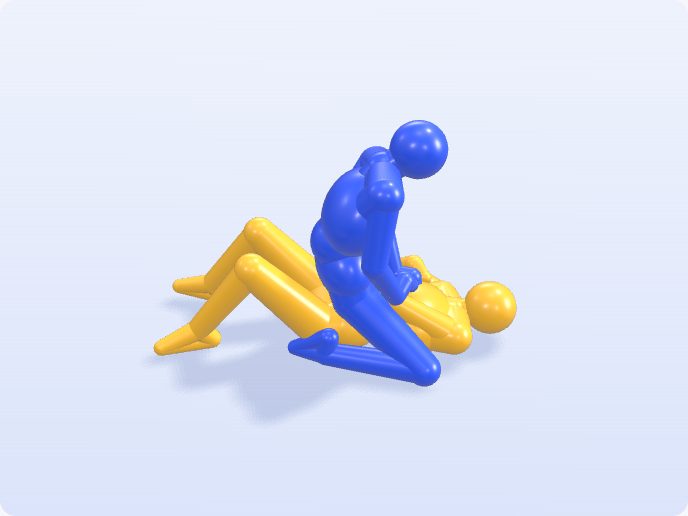
- A top position where you sit on the other person's chest or belly, one knee on each side. It scores 4 points under IBJJF rules.
- Mounted Triangle
- A triangle choke done from mount. You lock your legs around the neck and one arm from the top.
- Mouthguard
- A soft guard for your teeth. Many people wear one when they roll.


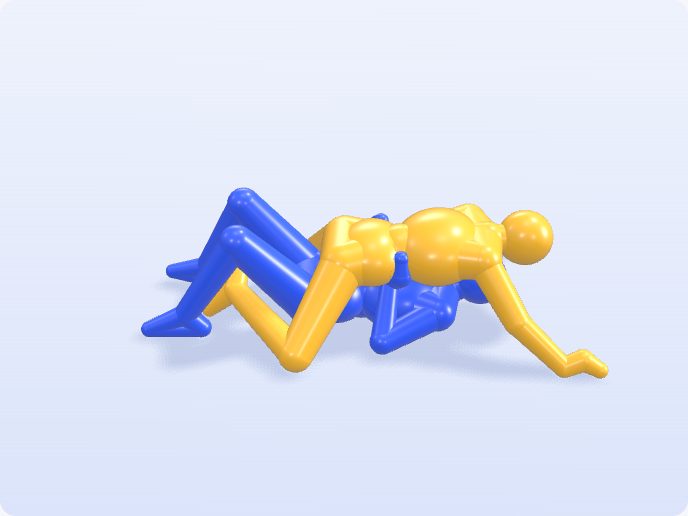


N
- Neck Crank
- Pressure on the spine instead of the sides of the neck. It can injure the neck, and it is not taught here.
- No-Gi
- Training without the gi, usually in shorts and a rash guard. You grip the body, not the clothes.
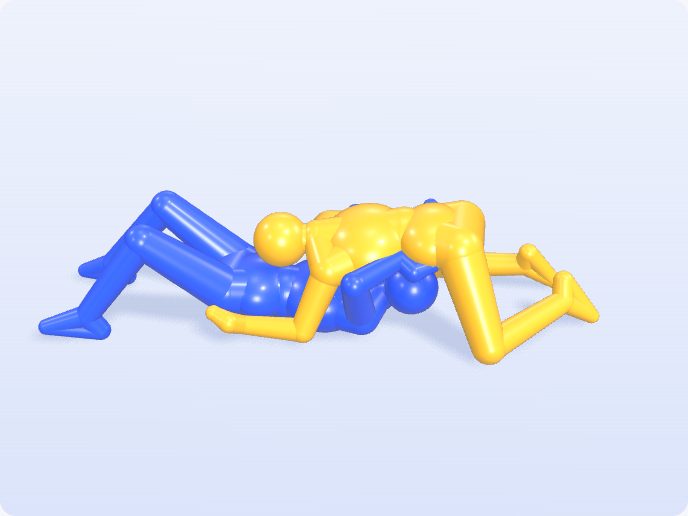
- North-South
- A top position where you lie chest to chest with your head toward the other person's hips. Their arms are easy to attack.
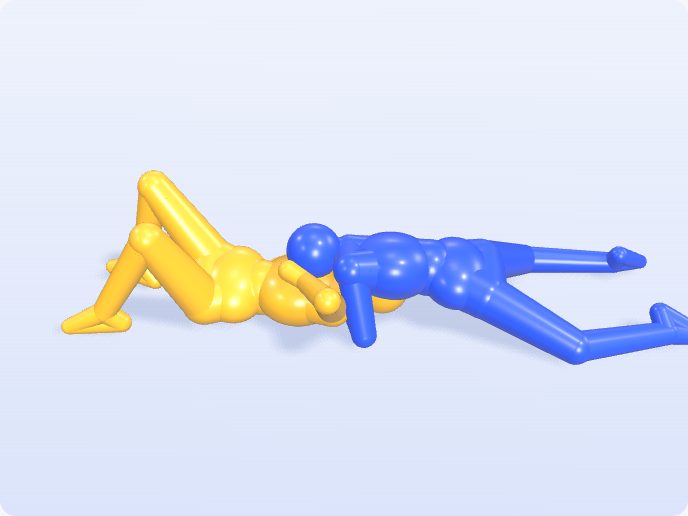
- North-South Choke
- A choke from north-south where your arm wraps the neck and your chest presses down.




O
- Old School Sweep
- A half guard sweep. You come up on your side, hold their far ankle, and drive forward to knock them over.
- Omoplata
- A shoulder lock done with your legs. You trap the arm with your leg and turn their shoulder.
- Open Guard
- Any guard without locked ankles. Your feet, knees and grips control the distance instead.
- Open Mat
- Free training time with no class. You choose partners and roll or drill.
- Osoto Gari (also: Major outer reap)
- A judo throw. You step to the side and reap the other person's leg from behind with your leg.
- Oss
- A word used in many gyms as a greeting. It can also mean yes, I understand, or thank you.
- Over-Under Pass
- A pass with one arm over a leg and the other arm under the other leg. You use pressure to pass.
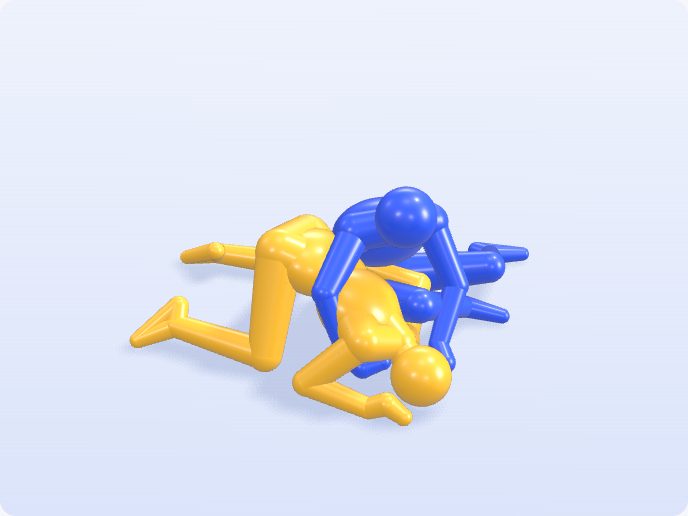
- Overhook
- Your arm wraps over the other person's arm and holds it tight to your body.






P
- Paper Cutter Choke
- A gi choke from side control. One hand holds the collar and your forearm presses across the neck.
- Partner (also: Training partner)
- The person you train with. You keep each other safe.
- Passagem (also: Guard pass)
- Portuguese for guard pass. You get past the other person's legs.
- Pegada
- Portuguese for grip. A coach may say to fight for the pegada first.
- Penalty
- A mark against you for breaking a rule, such as stalling. Under IBJJF rules, the third penalty gives the other person 2 points.
- Points and Scoring
- How a BJJ match is scored. Under IBJJF rules, better positions held for 3 seconds earn points.
- Positional Hierarchy (also: Position before submission)
- The ranking of positions from best to worst. From the top: back control, mount, knee on belly, side control, half guard, guard.
- Positional Sparring
- Sparring that starts in one position with one goal, such as escape or pass. It restarts when someone reaches the goal.
- Post
- Putting a hand or foot on the mat to stop yourself from being swept or rolled.
- Posture
- How straight and balanced your back and head are. In someone's guard, good posture keeps you safe.
- Pressure
- Your body weight placed on the other person to tire and control them. Pressure is not strength. It takes away their space.
- Professor
- The title for the coach who teaches the class. In many gyms it means a black belt instructor.
- Pulling Guard (also: Guard pull)
- Sitting down to your guard from standing instead of using a takedown. It scores no points.






R
- Randori
- A Japanese word for free practice with a resisting partner. In BJJ people usually say rolling.
- Rash Guard
- A tight training shirt for no-gi. It protects your skin from mat burn.
- Raspagem (also: Sweep)
- Portuguese for sweep. From the bottom, you turn the other person over and come on top.
- Rear Naked Choke (also: RNC, Mata leão, Hadaka jime)
- A choke from behind with your arm around the neck and no gi grips. It is the main finish from back control.
- Referee
- The official who runs a match, gives points and stops the match.
- Reversal
- Going from bottom to top from a pin like mount or side control. Under IBJJF rules, it scores no points.
- Reverse De la Riva (also: RDLR)
- An open guard where your shin goes between the other person's legs and hooks their lead leg from the inside. You use it when their knee turns in.
- Rolar (also: Roll)
- Portuguese for to roll. It means to spar with a partner.
- Roll (also: Rolling, Rolar)
- Sparring with a partner who resists. Both people try to win positions and submissions.
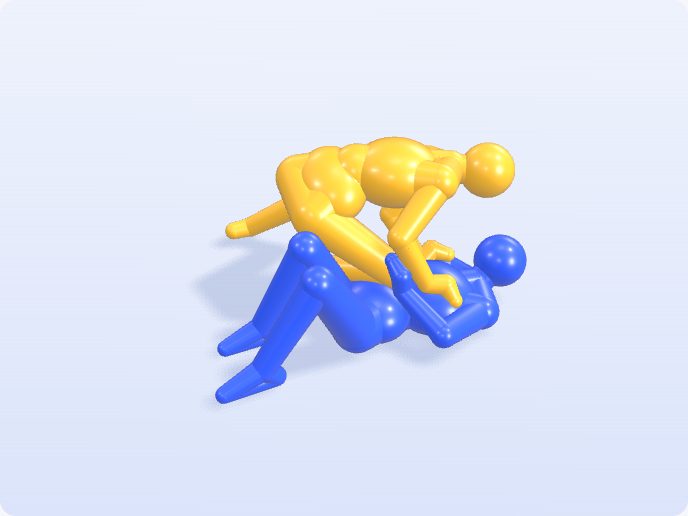
- Running Escape
- A defence under side control or knee on belly. You turn away onto your side, tuck your knee and guard your neck, then escape.



S
- S-Mount
- A high mount where your legs make an S shape around one of the other person's arms. It sets up the armbar from mount.
- Sankaku Jime (also: Triangle)
- The judo name for the triangle choke. Sankaku means triangle.
- Scissor Sweep
- A closed guard sweep. Your shin goes across their belly and your legs scissor to turn them over.
- Scramble
- A fast exchange where both people fight to come on top. Positions change quickly.
- Seatbelt
- A back control grip: one arm over the shoulder and one arm under the armpit, hands together on their chest.
- Sensei
- Japanese for teacher, used in judo and some other arts. In BJJ the coach is usually called professor.
- Shoot (also: Shot)
- Stepping in fast for a takedown on the legs, such as a single leg or double leg.
- Shoulder Roll
- A turtle escape where you tuck your head and roll over one shoulder to face the other person in guard.
- Shrimp (also: Hip escape)
- From your back or side, you push off one foot and slide your hips away. It makes space to get your guard back.
- Side Control (also: Cem quilos, Side mount)
- A top position where you lie chest to chest across the other person, past their legs. Most guard passes end here.
- Single Leg Takedown (also: Single leg)
- A takedown where you catch one leg above the knee and lift it or trip the other leg.
- Single Leg X (also: SLX)
- An open guard where your legs control one of the other person's legs from below. It leads to sweeps and the straight ankle lock.
- Sit-out
- From your hands and knees, you swing one leg through under you and turn to sit facing your partner. It is used in drills and to leave turtle.
- Sit-up Guard (also: Seated guard)
- You sit up facing the other person, one hand posted behind you and one hand gripping them. It leads to sweeps and to standing up.
- Slam
- Lifting someone and driving them into the mat. It is illegal at every belt under IBJJF rules.
- Smash Pass
- A heavy half guard pass. You flatten the other person with chest pressure, then free your trapped knee.
- Snap Down
- You pull the other person's head down so they fall forward to their knees. It often leads to a front headlock.
- Sparring
- Training against a partner who resists. In BJJ it is usually called rolling.
- Spats
- Tight training leggings worn for no-gi, often under shorts.
- Spider Guard
- A gi guard where your feet push on the other person's biceps and your hands hold their sleeves. It controls both arms.
- Sprawl
- You shoot your legs back and drop your hips on the other person to stop a takedown.
- Stack
- Pushing the bottom player's legs and hips over their head, so their weight is on their shoulders.
- Stalling
- Not trying to move forward in a match. Under IBJJF rules, the referee can give a penalty for it.
- Standing
- Both people on their feet. Every match starts here, and takedowns happen here.
- Straight Ankle Lock (also: Footlock, Achilles lock)
- A leg lock with the other person's foot trapped under your armpit. Under IBJJF rules it is legal at every adult belt. Below brown belt, you may not turn toward their free foot.
- Stripe
- A small mark on your belt, often a piece of tape. It marks progress inside one belt, up to 4 stripes.
- Submission
- A choke or joint lock that makes the other person tap. It ends the roll or the match.
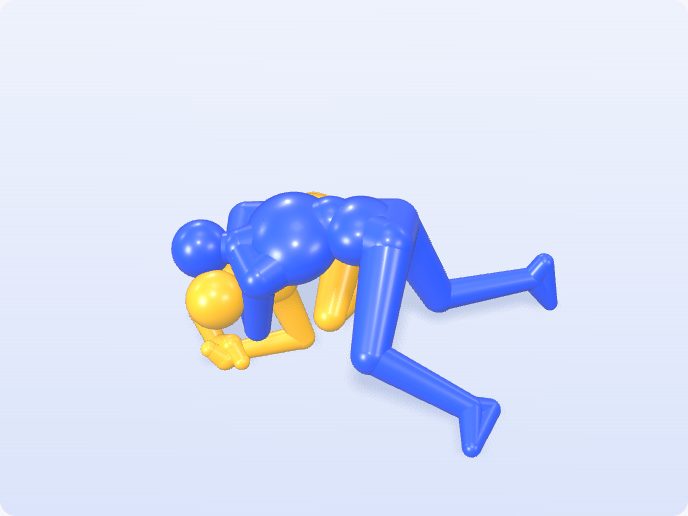
- Survival Posture
- A safe shape for a bad position: elbows tight, chin down, hands near your neck. It buys time until you can escape.
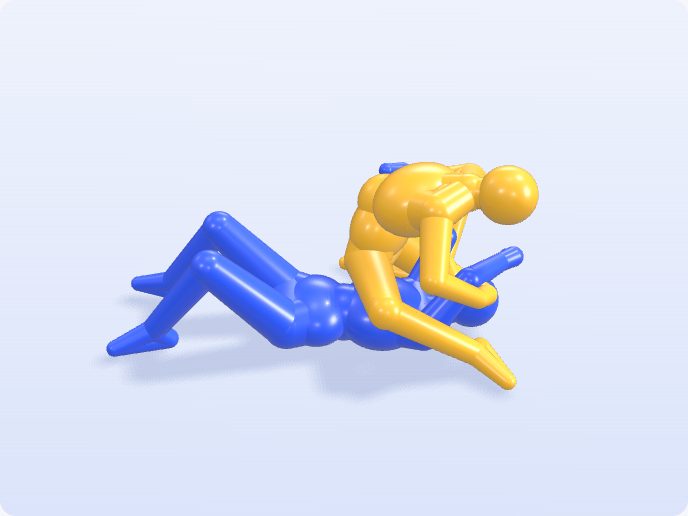
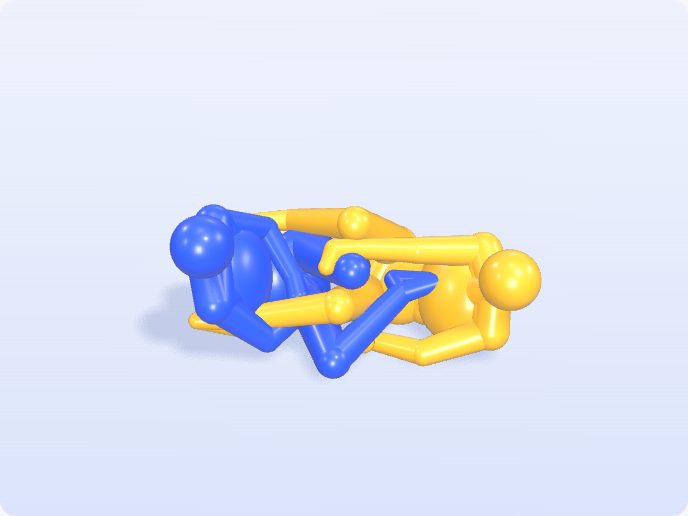
- Sweep
- From guard on the bottom, you turn the other person over and come on top. It scores 2 points under IBJJF rules.
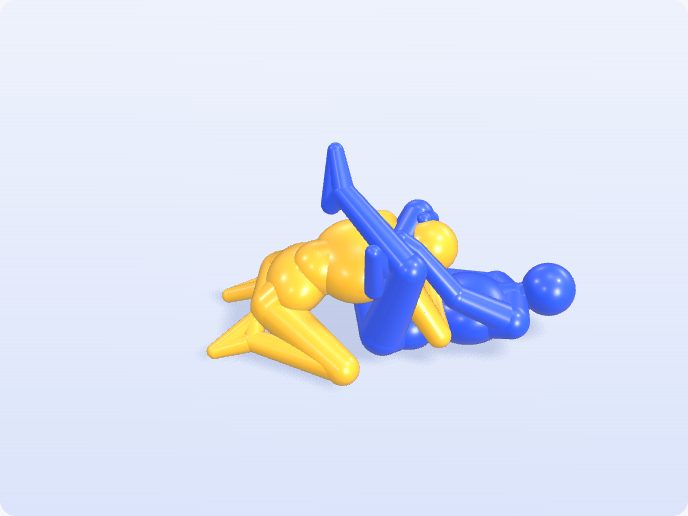
- Sweeps and Reversals
- Ways to go from bottom to top. A sweep starts from guard and scores 2; a reversal from a pin scores nothing under IBJJF rules.

















T
- Takedown
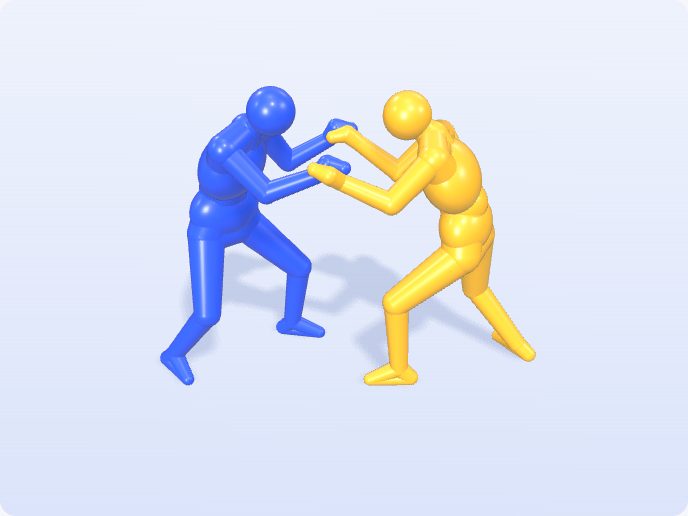
- Bringing the other person from standing to the ground and landing on top. It scores 2 points under IBJJF rules.
- Tatami
- The Japanese word for the training mat. People say mat or tatami.
- Technical Mount
- A mount where the other person is on their side and you are half behind them. It sits between mount and back control.
- Technical Stand-Up
- A safe way to stand up from the mat. You post one hand and the opposite foot, lift your hips, and swing your free leg back.
- The Tap (also: Tap, Tap out)
- Tapping your partner or the mat, or saying tap, to say stop. Your partner must let go at once.
- Toe Hold
- A foot lock that twists the foot. Under IBJJF rules it is legal only at brown and black belt.
- Tomoe Nage
- A judo throw where you sit down, put a foot on the other person's belly, and throw them over you. Some guard sweeps use the same idea.
- Top Player
- The person on top in a position. They usually want to pass, pin or submit.
- Toreando Pass (also: Bullfighter pass)
- A standing pass. You hold both knees, push the legs to one side, and step around to the other side.
- Tori
- The Japanese word for the partner who does the technique in a drill.
- Treino
- Portuguese for training or a training session.
- Triangle (also: Sankaku jime, Triangle choke)
- A choke with your legs locked around the other person's neck and one arm. It usually starts from guard.
- Tripod Sweep
- An open guard sweep. One hand holds their lead ankle and your foot hooks behind that ankle. Your other foot pushes their far hip.
- Turtle
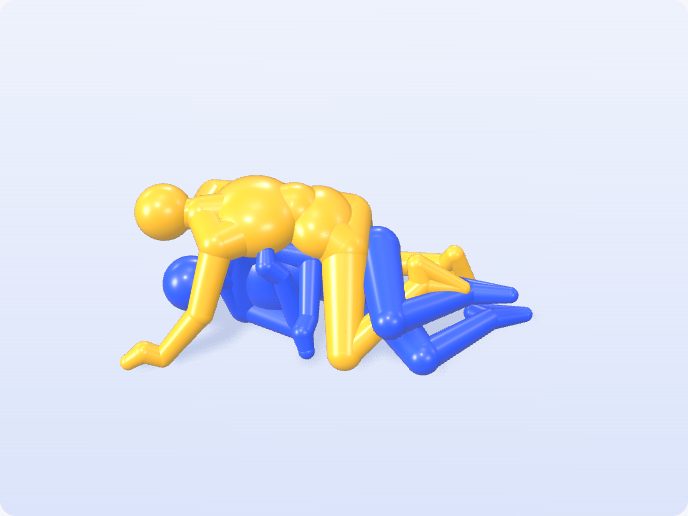
- A defensive position on your knees and elbows, with everything tucked tight. Use it only as a short stop, because it leaves your back open.
- Two-on-One (also: Russian tie)
- You hold one of the other person's arms with both of your hands. It controls that arm and their posture.
- Types of Sparring
- Different ways to roll, from light flow rolling to positional sparring and full rolls. The coach says which one.







U
- Ude Garami (also: Americana, Kimura)
- The judo name for a bent arm lock. The americana and the kimura are both kinds of ude garami.
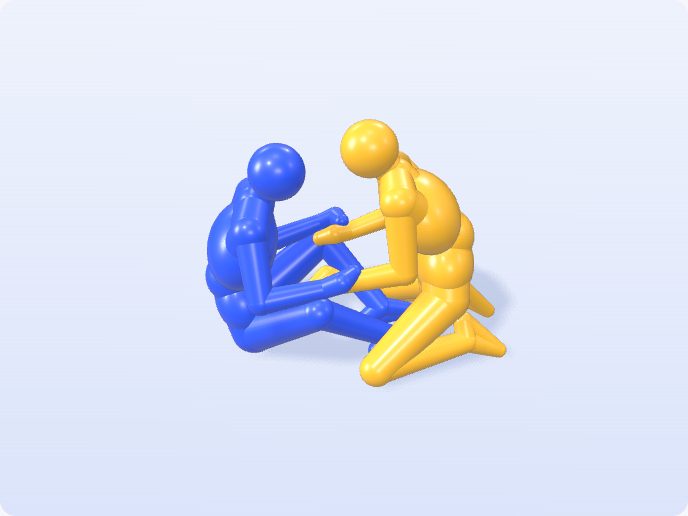
- Uke
- The Japanese word for the partner who receives the technique in a drill. They help and do not resist.
- Underhook
- Your arm goes under the other person's armpit and holds their back. It is a key grip in half guard and standing.
- Upa (also: Bridge and roll)
- A mount escape. You trap one arm and the foot on the same side, then bridge over your shoulder to roll them.


W
- Warm-up
- Light exercise at the start of class, such as running, rolls and shrimps. It gets your body ready.
- Whizzer (also: Overhook)
- Your arm wraps over the other person's arm or underhook and pulls it tight. It stops their underhook from working.
- Wrist Lock
- A lock that bends the wrist. Under IBJJF rules it is illegal at white belt and legal from blue belt.
X


Train it on the Path
Short lessons that ask one thing: you are in this position, what is the best move? Free, in your browser.