BJJ guards
There are about 15 common guards in BJJ. This page lists them in groups, from closed guard to the leg guards.
A guard is a position where you are on the bottom and your legs block the top player. From guard you can sweep, attack and get up.
Being in guard is not losing. The top player cannot score until they pass your legs.
Closed guard


Open guards
In an open guard your ankles are not locked. Your feet, knees and hands keep the distance.
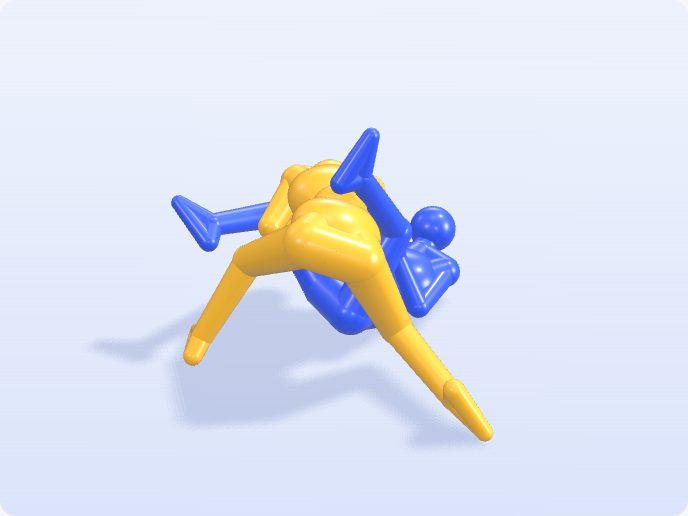
 Open GuardThe general name for any guard without locked ankles.
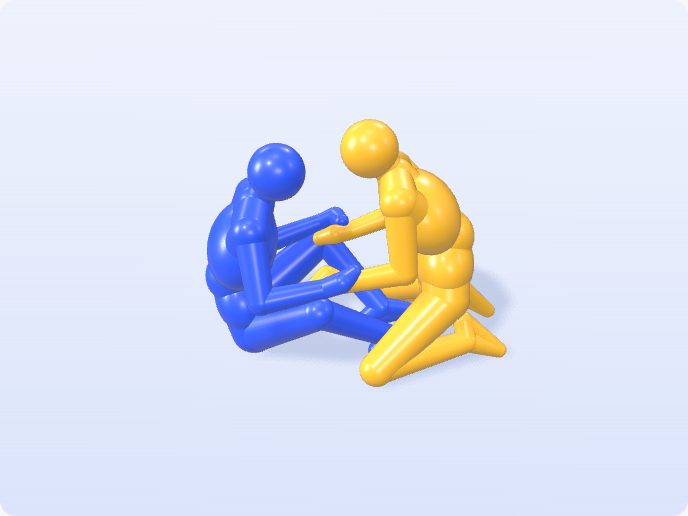
 Butterfly GuardYou sit up with both feet hooked inside their thighs. Good for sweeps and getting up.
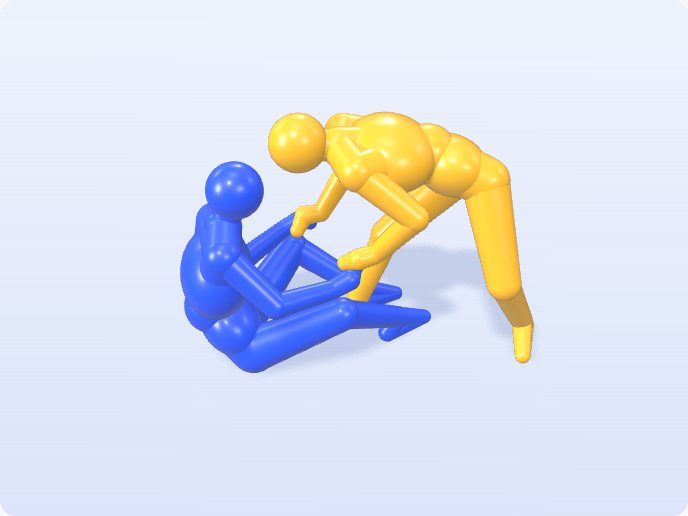
 Sit-up GuardYou sit tall on one hand and hold a collar, wrist or neck with the other.
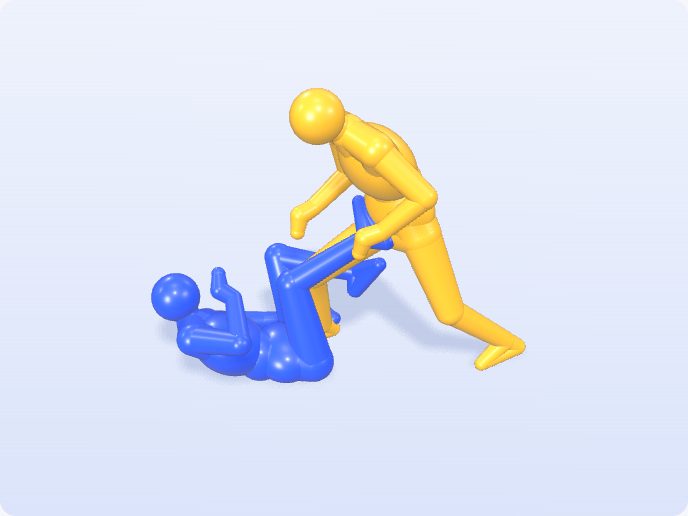
 De la Riva GuardYour outside leg hooks their front leg from the outside. For a standing opponent.
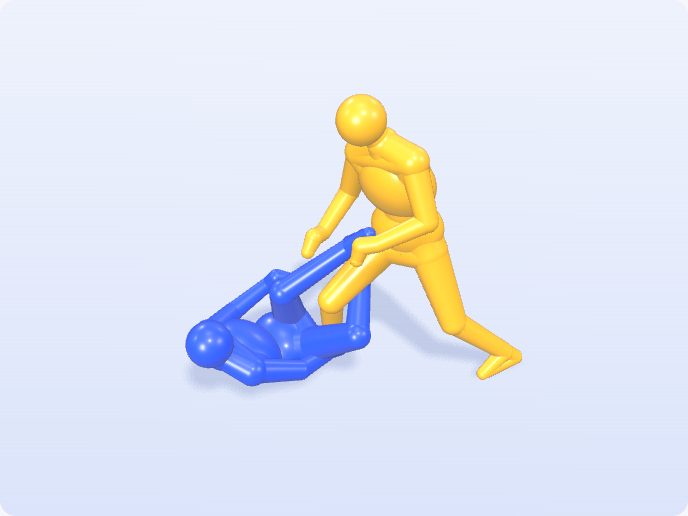
 Reverse De la RivaYour shin goes between their legs and hooks the front leg from the inside.
Gi open guards
These guards need sleeve and collar grips, so you can only play them in the gi.
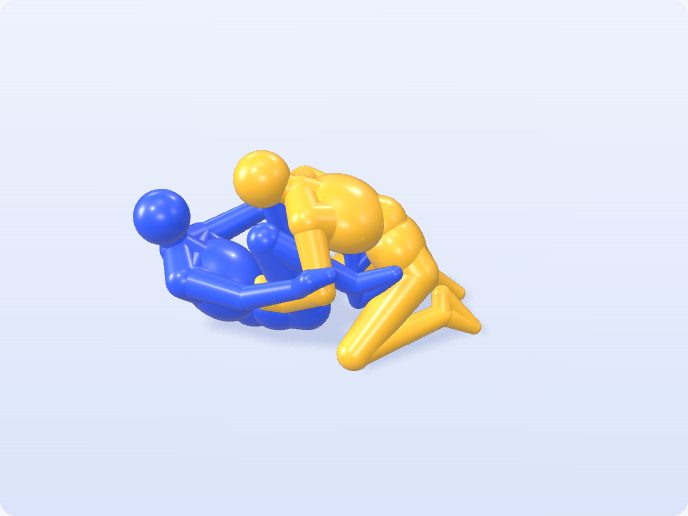
 Spider GuardGiYou hold both sleeves and push your feet into their arms. Gi only.
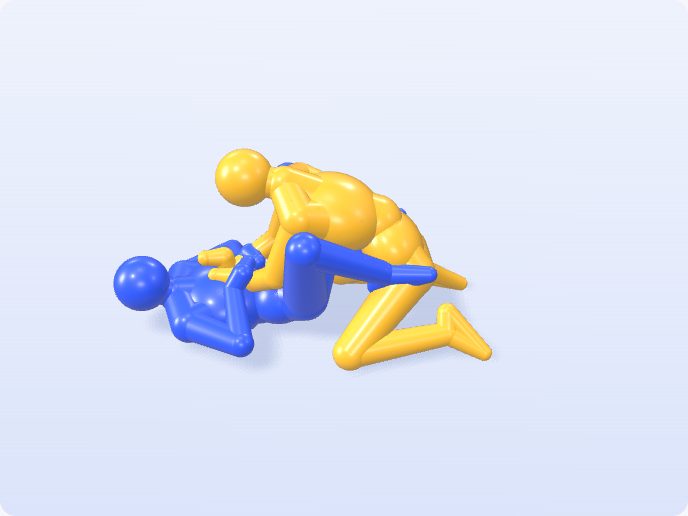
 Collar-and-Sleeve GuardGiOne hand on the collar, one on the opposite sleeve, a foot on that arm. Gi only.
Half guards
In a half guard you hold one of their legs between yours. Get on your side. Lying flat makes it easy to pass.
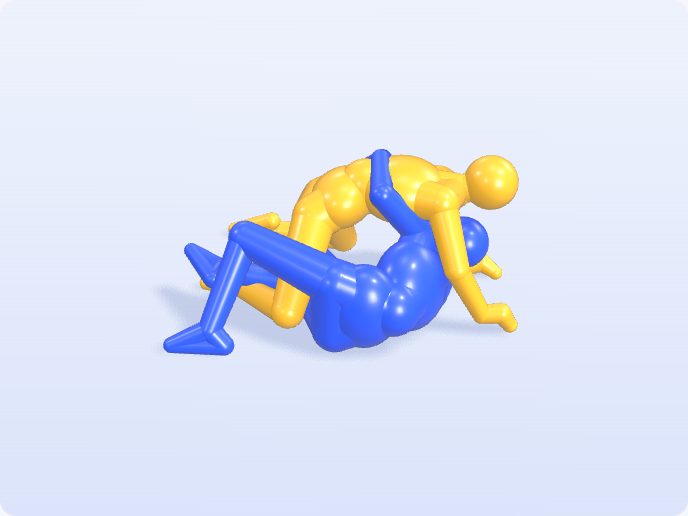
 Half GuardYou trap one leg. On your side with an underhook, it is a good place to sweep from.
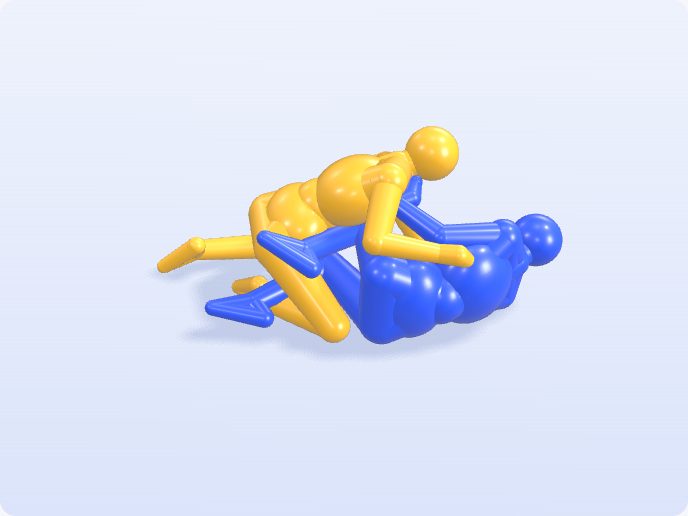
 Knee ShieldYour top knee goes across their body to hold their weight off you. Also called Z guard.

 Deep Half GuardYou slide under their hips and hug the trapped leg with both arms.

 LockdownYour legs lock around the trapped leg and stretch it, so they cannot step free.
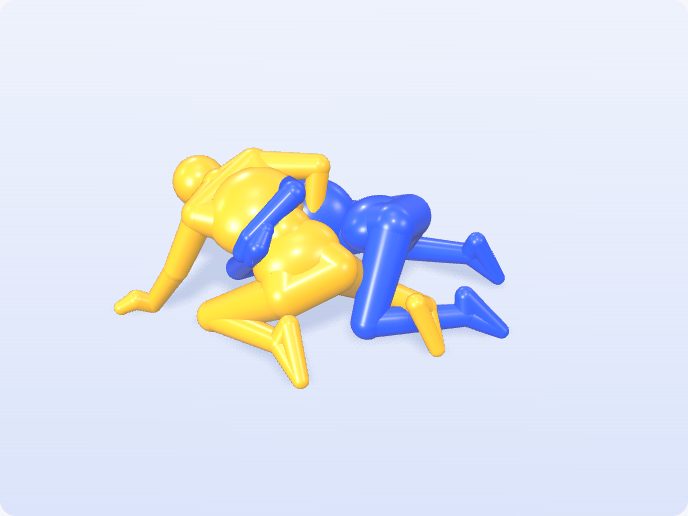
 DogfightYou come up to your knees beside them, still holding the leg, and fight for the underhook.
Leg guards
In these guards you are under a standing person and hold one of their legs.
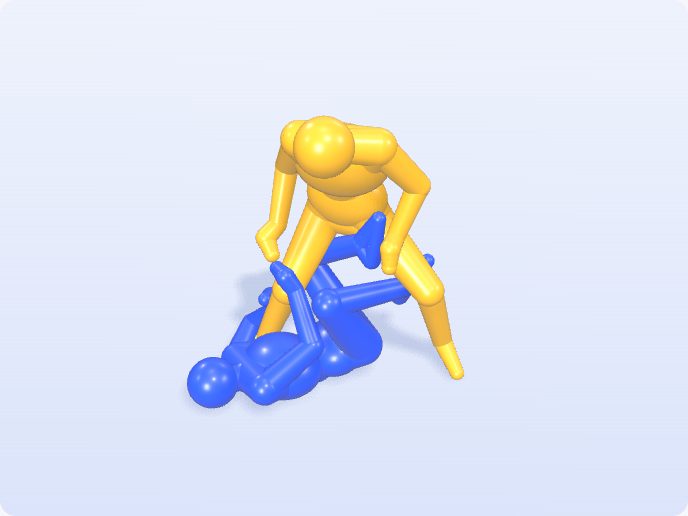
 X-GuardYour legs cross in an X around one of their legs. Built for sweeps.
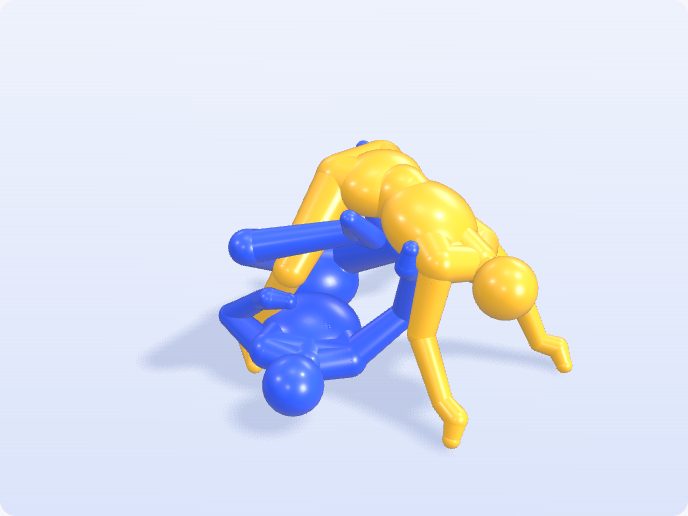
 Single Leg XYou hug one leg to your chest and hook behind their knee.
Guard skills
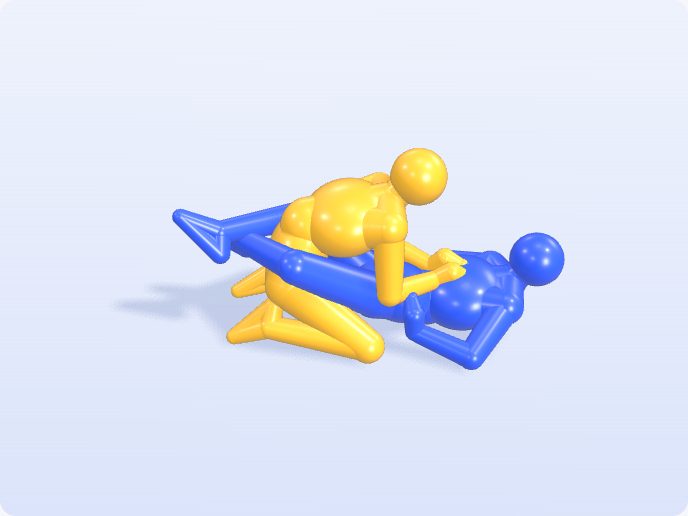
 GuardWhat a guard is, and why being on your back is not losing.

 ConnectionAlways keep a foot, knee or grip on them. With no connection, the pass has started.
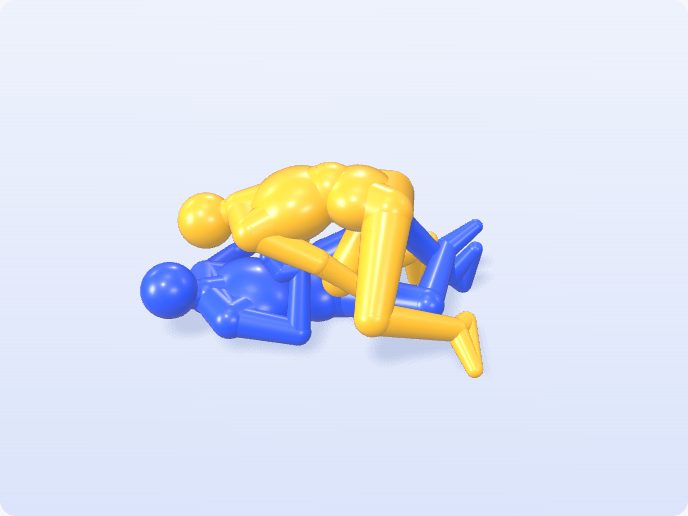
 Guard Retention and RecoveryHow to keep your guard, and how to get it back after a pass.

 Granby RollA shoulder roll that brings your legs back in front of the passer.
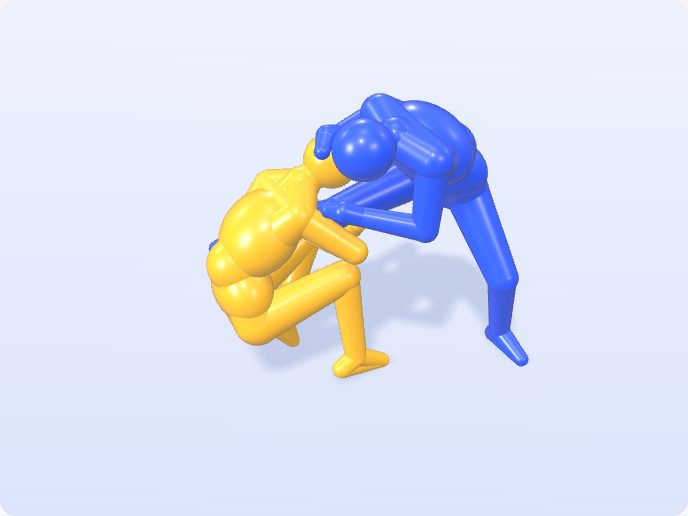
 Pulling GuardSitting down into your guard instead of doing a takedown. It scores no points.
| Guard | Best against | Gi or no-gi |
|---|---|---|
| Closed guard | A kneeling opponent | Both |
| Butterfly guard | A kneeling opponent close to you | Both |
| Half guard | A passer who caught one leg | Both |
| De la Riva guard | A standing opponent | Both |
| Spider guard | A standing or kneeling opponent | Gi only |
| X-Guard | A tall standing opponent | Both |
Your partner opens your closed guard and stands up. Which guard is made for a standing opponent?
Train it on the Path
The What a guard is unit turns this into short lessons: you see a position and pick the best move.
The Path goes in order: start free from lesson one and you reach What a guard is on the way. With Rolla Plus you can jump straight here.